Understand the historical importance of exploration, immigration, migration, and major historical events in relation to food.
FAB 333: Culture and Cuisine
An interactive course on global food cultures, cuisine, migration, religion, sustainability, etiquette, and the ways food helps people understand one another.
Class moments
Photos and highlights
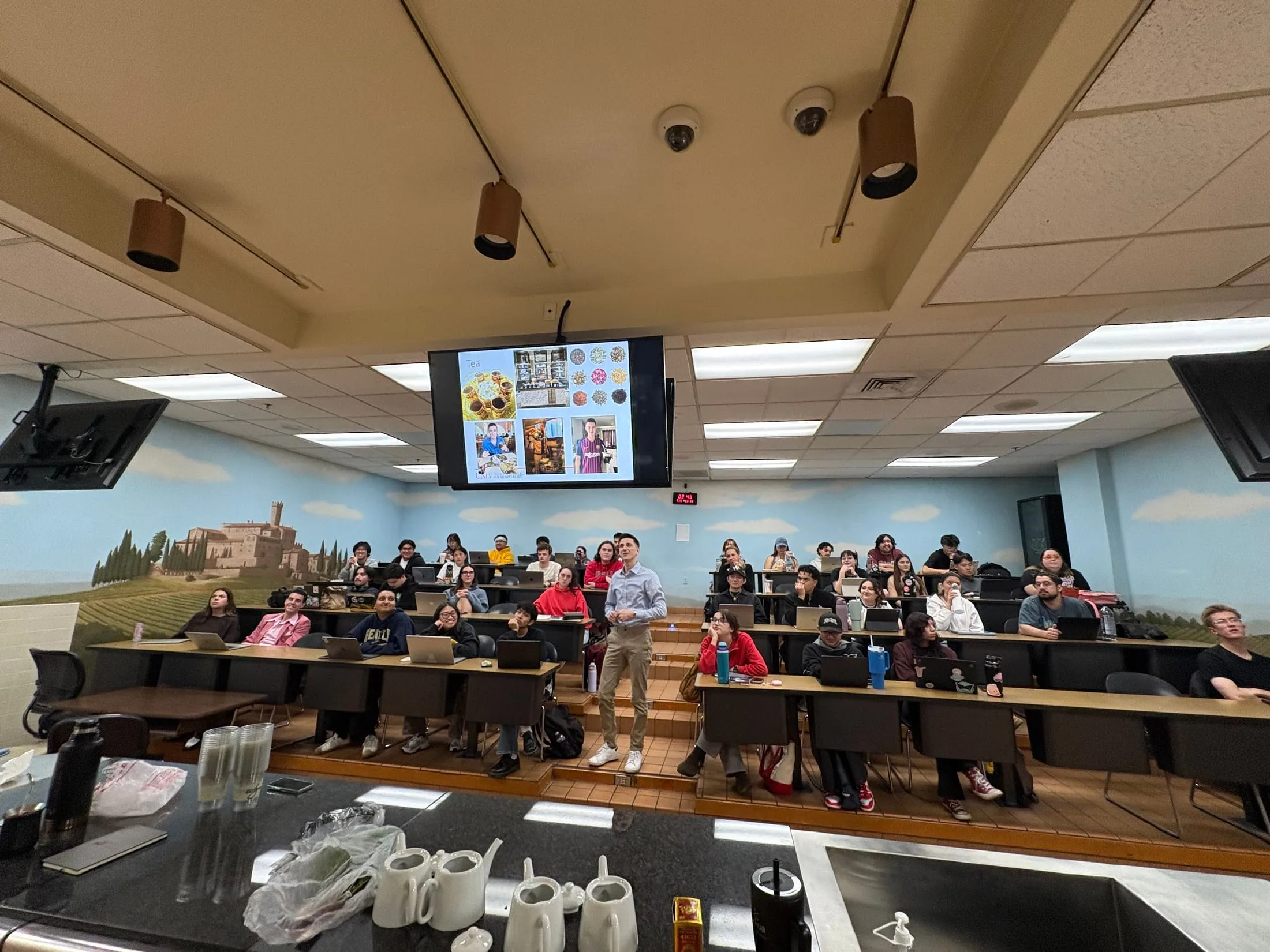
A Spring 2026 classroom moment from FAB 333.
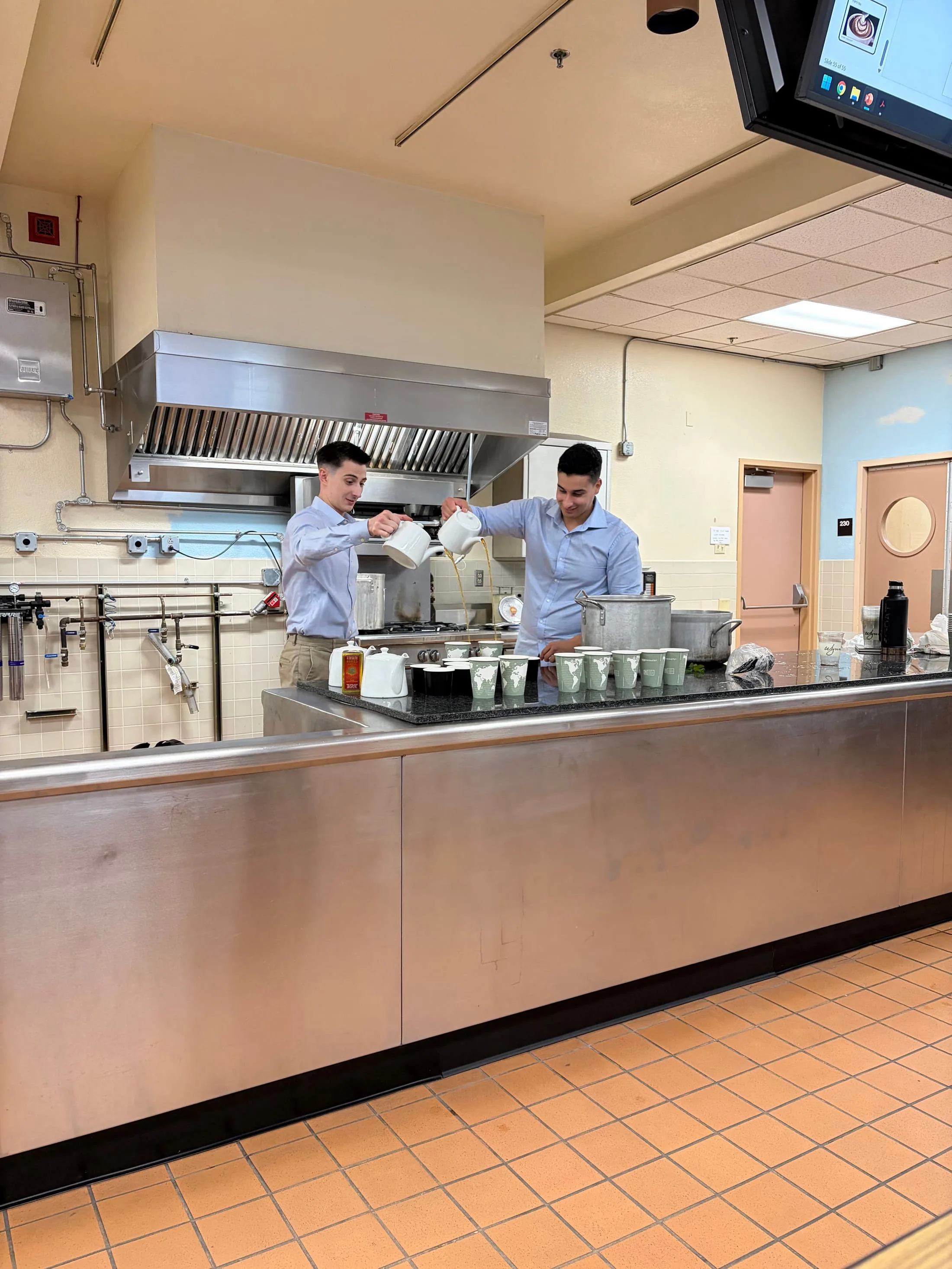
A tasting-centered class moment from Culture and Cuisine.
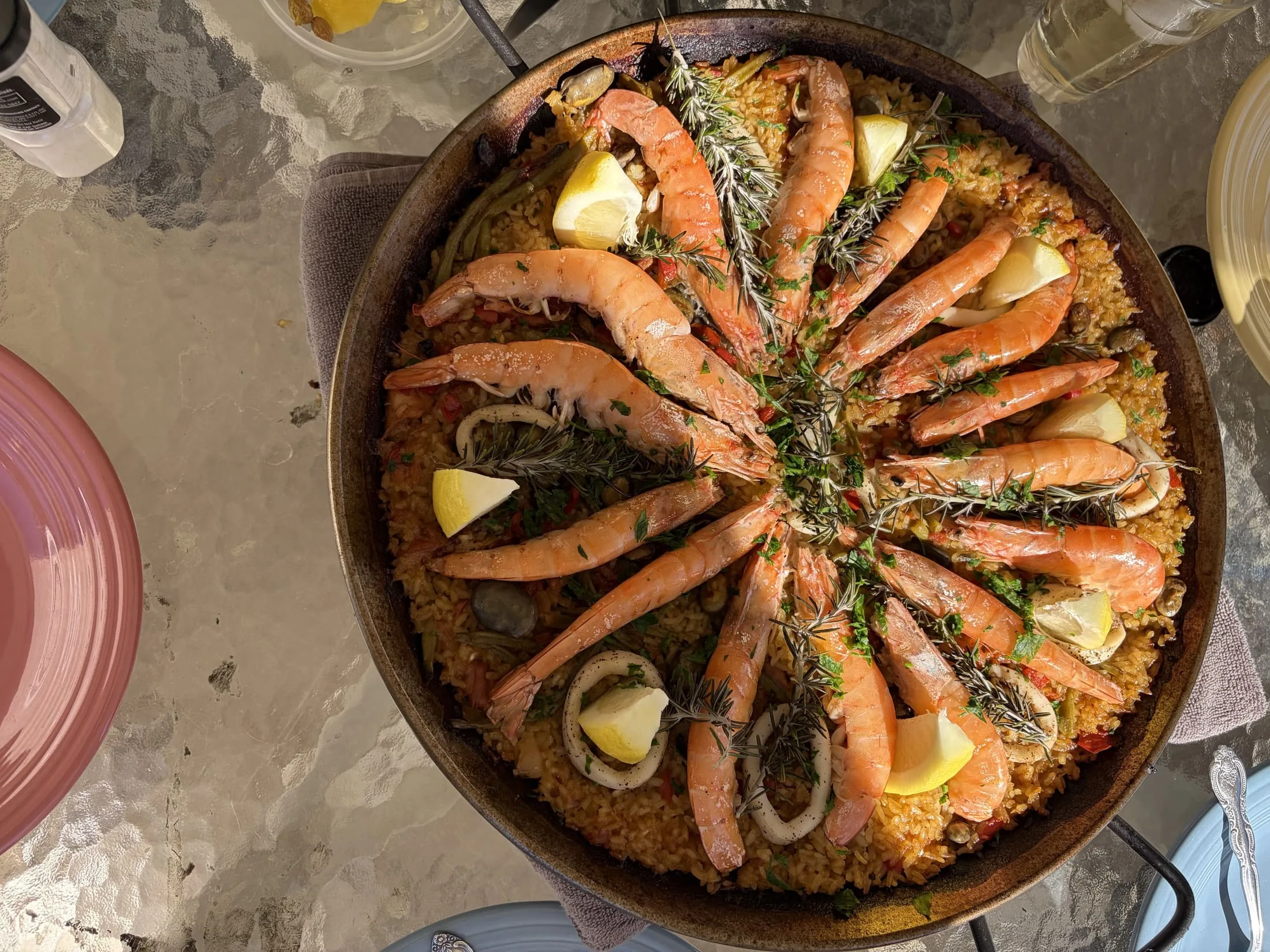
A cuisine-focused class moment connected to Spanish foodways and shared meals.
Course description
Course description
A study of how food habits, production, preservation, preparation, beliefs, and dining behavior vary across cultures and change over time. Students examine geography, history, technology, religion, migration, exploration, etiquette, and sustainability through the lens of cuisine.
Students study how geography, history, technology, religion, migration, exploration, and major historical events shape food-related behavior. The class emphasizes discussion, cultural openness, group learning, tasting, and applied observation.
Learning objectives
Learning objectives
Assess and discuss gastronomy, taste, sensory perception, dining etiquette, and food consumption habits.
Define culture, acculturation, ethnocentrism, and intercultural relations through food.
Identify how food fusion affects processing and culinary methods in homes and foodservice establishments.
Identify cultural differences in verbal and non-verbal communication styles.
Discuss the economic impact of food production and consumption historically and today.
Discuss beliefs and food practices connected to major religions.
Compare definitions for a globally sustainable food production system.
Assessment
Assignments, grading, and scale
Tap a section of the chart
Choose a slice to see its weight and due date.
A93% and above
A-90% to 92.9%
B+87% to 89.9%
B83% to 86.9%
B-80% to 82.9%
C+77% to 79.9%
C73% to 76.9%
C-70% to 72.9%
D60% to 69.9%
FBelow 60%
Schedule
Semester calendar
January
202628
29
30
31
1
2
3
4
5
6
7
8
9
10
11
12
13
14
15
16
17
18
19
UNLV campus closed. Classes begin the following day.
20
Spring 2026 instruction begins at UNLV.
21
22
23
24
25
26
Last day to add classes online, drop for a 100% refund, and pay without late penalties.
27
28
29
30
31
Administration; introduction to culture, cuisine, and gastronomy
February
20261
2
3
4
5
6
Last day to add classes with department permission.
7
Evolution of food customs; street food; Turkish cuisine and culture
8
9
10
11
12
13
14
Migration, immigration, exploration, the Silk Road, and foods that changed the world
15
16
UNLV campus closed. Monday class does not meet.
17
18
19
20
21
University recess week
22
23
24
25
26
27
Last day to completely withdraw from all classes and receive a 50% refund if the account is paid in full.
28
Dining etiquette and culture around meals
March
20261
Last day for undergraduates to apply for May 2026 degree conferral.
2
Summer 2026 registration opens.
3
4
5
6
7
Wine tasting and culture
8
9
10
11
12
13
14
Healthy eating, cheese and culture, diet within cultures, and plant-based foods
15
16
Classes are not held for spring break and resume Monday, March 23.
17
18
19
20
21
Spring break
22
23
24
25
26
27
28
Group presentations: Groups 1 and 2
29
30
31
1
2
3
4
Group presentations: Groups 3 and 5
April
202629
30
31
1
2
3
Last day to drop classes without a refund or change from credit to audit.
4
5
6
7
8
9
10
11
Group presentations: Groups 6 and 7
12
13
Fall 2026 registration opens.
14
15
16
17
18
Group presentations: Groups 8 and 9
19
20
21
22
23
24
25
Group presentations: Groups 10 and 11
26
27
28
29
30
1
2
Group presentations: Groups 12 and 15
May
202626
27
28
29
30
1
2
3
4
Classes are scheduled, but major written exams are not given.
5
6
7
8
9
Spring 2026 instruction ends.
Study week
10
11
Final examinations begin and are scheduled to be two hours long.
12
13
14
15
16
Spring semester ends, undergraduate commencement takes place, and degrees are conferred.
Final examination period
17
18
19
20
21
22
23
24
25
26
27
28
29
30
31
1
2
3
4
5
6
Materials